



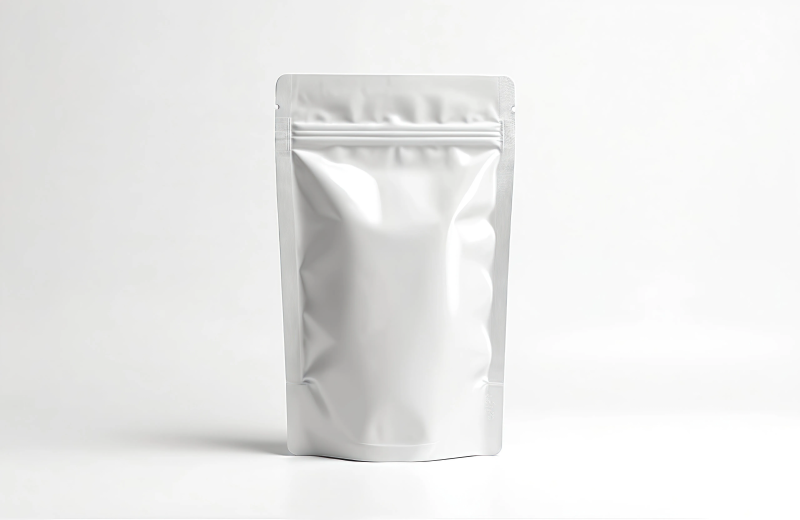
Non metalized Foil
Product Specification
Non-metallized foil
(often called "clear high-barrier film") refers to packaging materials that achieve protection without a metal layer. These are typically multi-layer plastics designed to be transparent, microwave-safe, and compatible with metal detectors.
Key Advantages
- Microwave Compatibility: Unlike metallized films, non-metallized versions are safe for use in microwaves.
- Metal Detection: These films allow manufacturers to pass finished products through metal detectors to ensure no contaminants are present, which is impossible with standard foil.
- Transparency: They provide a "window" into the product, allowing consumers to see the contents while maintaining a high barrier against moisture and oxygen.
- Sustainability: Pure plastic films (like CPP or PE) are often easier to recycle than multi-material laminates that include metal.
Common Materials Used
Instead of aluminum, these films use advanced polymers to block external elements:
- EVOH (Ethylene Vinyl Alcohol): Known for its superior oxygen barrier, often used in meat and dairy packaging.
- PVDC (Polyvinylidene Chloride): Offers an excellent barrier to both oxygen and moisture, though it is less common in eco-friendly lines.
- BOPP/PET: Base films that are often coated with clear ceramic layers (like AlOx or SiOx) to provide foil-like protection without the metal.
Comparison at a Glance
| Feature | Metallized Foil | Non-Metallized (Clear) |
|---|---|---|
| Visibility | Opaque (Metallic) | Transparent / Clear |
| Microwave Safe | No | Yes |
| Metal Detector | Incompatible | Fully Compatible |
| Barrier Level | Excellent | Very Good to Excellent |
Practical Applications
- Electronics: Anti-static non-metallized bags protect sensitive components while allowing for easy visual inspection.
- Fresh Food: Used for products like raw nuts or pre-cut vegetables where seeing the product's quality is a selling point.
- Safety Gear: Non-metallized reflective films are used in road signs because they are more vivid in daylight and easier to cut into complex shapes than bonded metallic layers.


