



foil
Product Specification
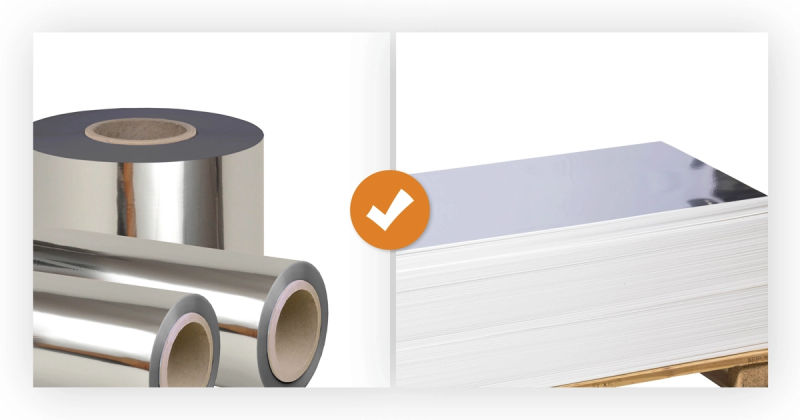
Metallized foil (or metallized film) is a polymer film (like PET, BOPP, or CPP) that has been coated with a thin layer of metal, typically aluminum, in a vacuum. It provides the reflective, glossy appearance of aluminum foil but with greater flexibility, less weight, and lower production costs.
Here is a guide to the properties, uses, and printing techniques for metalized foil:
Key Characteristics & Benefits
- Appearance: Offers a highly reflective, metallic, and shiny aesthetic similar to aluminum foil.
- Barrier Protection: Reduces permeability to water, oxygen, and light, making it ideal for protecting contents from aroma loss or oxidation.
- Versatility: Unlike traditional aluminum foil, metalized films are often more tear-resistant and flexible, making them better suited for flexible packaging.
- Cost-Effective: Typically uses only a fraction () of the aluminum used in traditional aluminum foil, making it a cheaper alternative.
- Printability: Surface is receptive to various printing techniques, including rotogravure and flexography.


Common Applications
- Packaging: Widely used in flexible food packaging, snack bags (e.g., chips), coffee capsules, and confectionery wrappers.
- Labels & Graphic Design: Used in premium labels, cartons, and brochures, particularly when metallic shades like gold, silver, or rose gold are desired.
- Industrial & Functional: Utilized in balloon manufacturing, electrical capacitors, and thermal insulation.
Printing and Finishing Techniques
- Hot Stamping/Foil: A heated die and metalized foil are used to transfer a design under pressure, creating a permanent, luxurious, and shiny design.
- Digital Foiling: A digital method that, unlike hot stamping, does not require a die, adhering special foil to printed surfaces, often used for smaller runs.
- Metalized Inks: Inks containing real metal particles are used to create a similar, but less intense, metallic shine early in the printing process.
- Design Considerations: For the best results, artwork should be provided as vector files, with a 2mm bleed, and designed at 300 DPI for high-quality, sharp output.
Metalized Film vs. Aluminum Foil
While they look similar, they differ significantly in production and properties:
- Structure: Aluminum foil is made by rolling pure aluminum slabs, whereas metallized film is a plastic base with a thin, evaporated layer of aluminum.
- Flexibility: Metalized films are more flexible and less prone to breaking than aluminum foil.
- Barrier Properties: Aluminium foil remains superior for maximum barrier protection (e.g., in medical/retort pouches), whereas metallized films are better for lighter duty packaging.
- Translucency: Metalized films can be manufactured to be slightly translucent, whereas aluminum foil is completely opaque.
When designing with metalized materials, the reflective nature should be leveraged to enhance brand premiumness, and the material's durability makes it suitable for high-speed, automated packaging lines.
- Metallized foil (or metallized film) is a polymer film (like PET, BOPP, or CPP) that has been coated with a thin layer of metal, typically aluminum, in a vacuum. It provides the reflective, glossy appearance of aluminum foil but with greater flexibility, less weight, and lower production costs.Here is a guide to the properties, uses, and printing techniques for metalized foil:Key Characteristics & Benefits
- Appearance: Offers a highly reflective, metallic, and shiny aesthetic similar to aluminum foil.
- Barrier Protection: Reduces permeability to water, oxygen, and light, making it ideal for protecting contents from aroma loss or oxidation.
- Versatility: Unlike traditional aluminum foil, metalized films are often more tear-resistant and flexible, making them better suited for flexible packaging.
- Cost-Effective: Typically uses only a fraction () of the aluminum used in traditional aluminum foil, making it a cheaper alternative.
- Printability: Surface is receptive to various printing techniques, including rotogravure and flexography.
Common Applications- Packaging: Widely used in flexible food packaging, snack bags (e.g., chips), coffee capsules, and confectionery wrappers.
- Labels & Graphic Design: Used in premium labels, cartons, and brochures, particularly when metallic shades like gold, silver, or rose gold are desired.
- Industrial & Functional: Utilized in balloon manufacturing, electrical capacitors, and thermal insulation.
Printing and Finishing Techniques- Hot Stamping/Foil: A heated die and metalized foil are used to transfer a design under pressure, creating a permanent, luxurious, and shiny design.
- Digital Foiling: A digital method that, unlike hot stamping, does not require a die, adhering special foil to printed surfaces, often used for smaller runs.
- Metalized Inks: Inks containing real metal particles are used to create a similar, but less intense, metallic shine early in the printing process.
- Design Considerations: For the best results, artwork should be provided as vector files, with a 2mm bleed, and designed at 300 DPI for high-quality, sharp output.
Metalized Film vs. Aluminum FoilWhile they look similar, they differ significantly in production and properties:- Structure: Aluminum foil is made by rolling pure aluminum slabs, whereas metallized film is a plastic base with a thin, evaporated layer of aluminum.
- Flexibility: Metalized films are more flexible and less prone to breaking than aluminum foil.
- Barrier Properties: Aluminium foil remains superior for maximum barrier protection (e.g., in medical/retort pouches), whereas metallized films are better for lighter duty packaging.
- Translucency: Metalized films can be manufactured to be slightly translucent, whereas aluminum foil is completely opaque.
When designing with metalized materials, the reflective nature should be leveraged to enhance brand premiumness, and the material's durability makes it suitable for high-speed, automated packaging lines.


