thumb image
thumb image
product details image

Food Packing Machine

Product Specification

A food packaging machine is an essential piece of equipment designed to pack food products in various formats, ensuring preservation, hygiene, and safe transportation. These machines can handle a wide range of packaging types, including plastic, glass, and pouches, and are used for items such as sauces, snacks, beverages, and baked goods.


Types of Food Packaging Machines

Liquid filling machines, also known as soup filling machinessauce filling machines, and bottle filling machines, depending on their application, are essential for food packaging processes involving liquid or semi-liquid products. These machines offer versatility, designed to handle a wide range of tasks, including filling soups, sauces, pastes, honey, jams, dips, relishes, and dressings.

Liquid filling machines offer efficiency and accuracy, ensuring consistent product quantities with minimal waste. You can customise these machines for various packaging formats, such as bottles, jars, or tubs, making them ideal for businesses of all sizes, from small-scale operations to large production lines. Available in both semi-automatic and automatic models, they accommodate different production capacities.
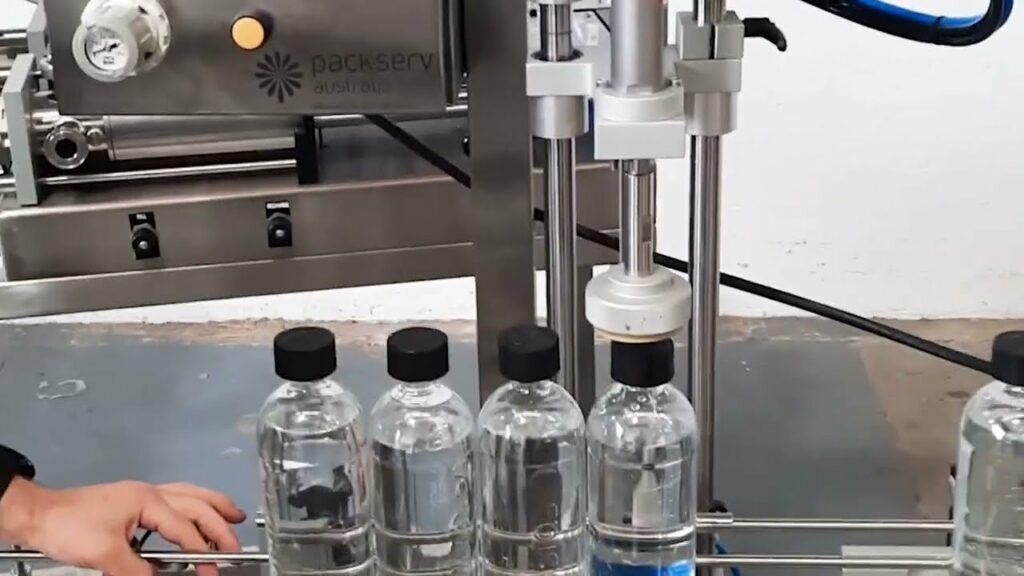
Capping plays a key role in FMCG packaging by ensuring that food items stay fresh and secure during storage and transportation. Proper capping is essential for maintaining product integrity, preventing leakage, and extending shelf life. In addition to protection, an efficient capping process enhances productivity on the production line. Automated capping machines can handle high volumes quickly, ensuring consistent seal quality, which minimises the risk of defects or waste. For FMCG companies, this consistency helps meet the demand for rapid production while maintaining high standards.

Packserv’s range of capping machines meets the diverse needs of FMCG manufacturers. From semi-automatic to fully automatic systems, Packserv’s cappers are capable of handling various cap sizes and types, such as screw caps, push-fit caps, and flip-top lids.

By integrating Packserv’s capping machines into your packaging process, you not only increase efficiency but also ensure your products meet industry standards for safety and freshness. Plus, with local technical support and locally manufactured parts, Packserv ensures your equipment remains reliable and cost-effective.

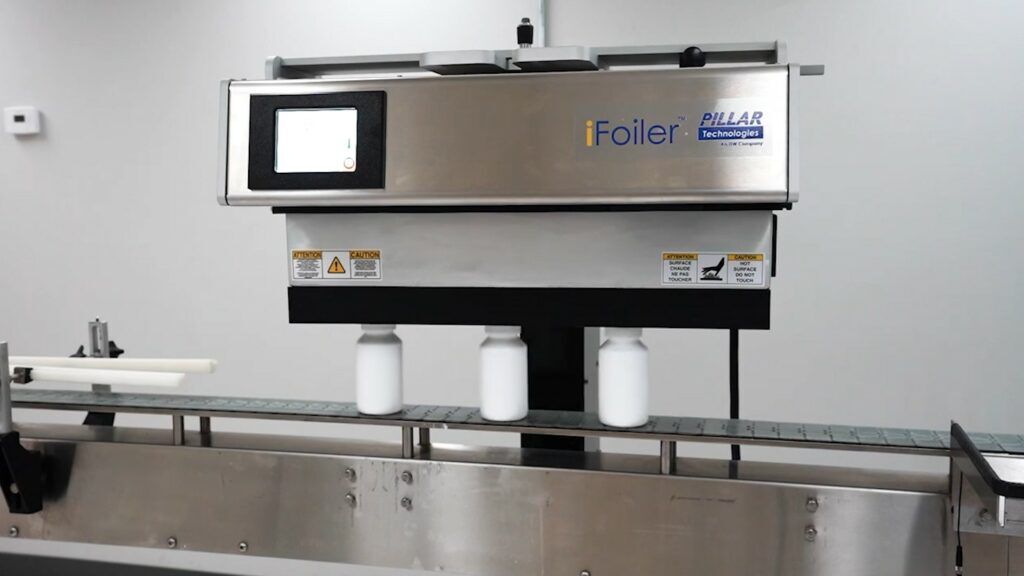
iFoiler Automatic Induction Sealer

Heat sealers play an important role in the FMCG (Fast Moving Consumer Goods) industry by ensuring product integrity, freshness, and safety throughout the supply chain. Manufacturers use various sealing technologies depending on the type of packaging and product. Among the most common are induction sealers, continuous band sealers, and tube sealers.

Induction Sealers are popular for sealing plastic and glass containers with foil-lined caps. This method uses electromagnetic induction to heat the foil, creating an airtight seal that prevents contamination and tampering. Induction sealers are commonly used for products like condiments and sauces, relishes, spices and seasonings, dips, syrups, oils, vinegars, and beverages.

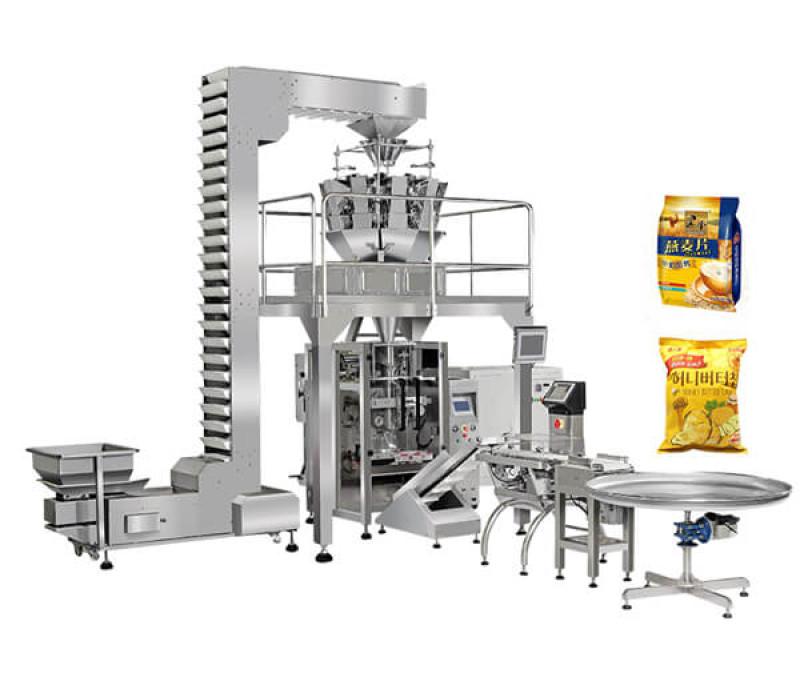
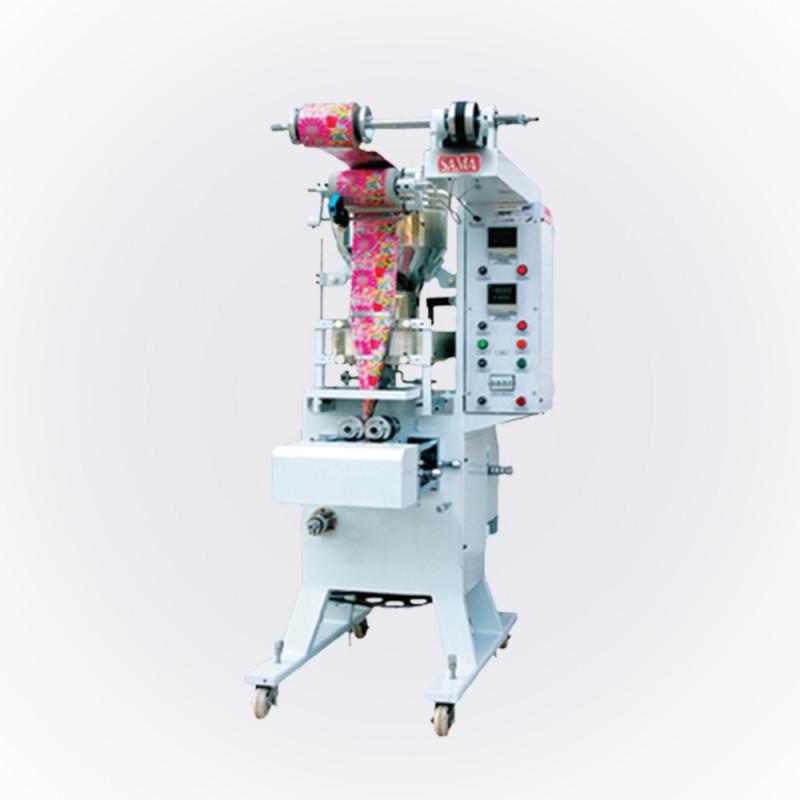
Continuous Band Sealers provide a versatile and efficient way to seal bags or pouches, making them ideal for high-speed production environments. These machines use a heated band to seal plastic materials and can handle various bag types and sizes. They are widely used to package food items such as snacks, coffees, marinades, grains, powders, and sauces.

Tube Sealers are designed to seal plastic tubes, creating a hermetic seal at the tube’s end to ensure products are securely packaged and stay fresh. These machines are commonly used to package food items such as pastes, condensed milk, herbs, and condiments.

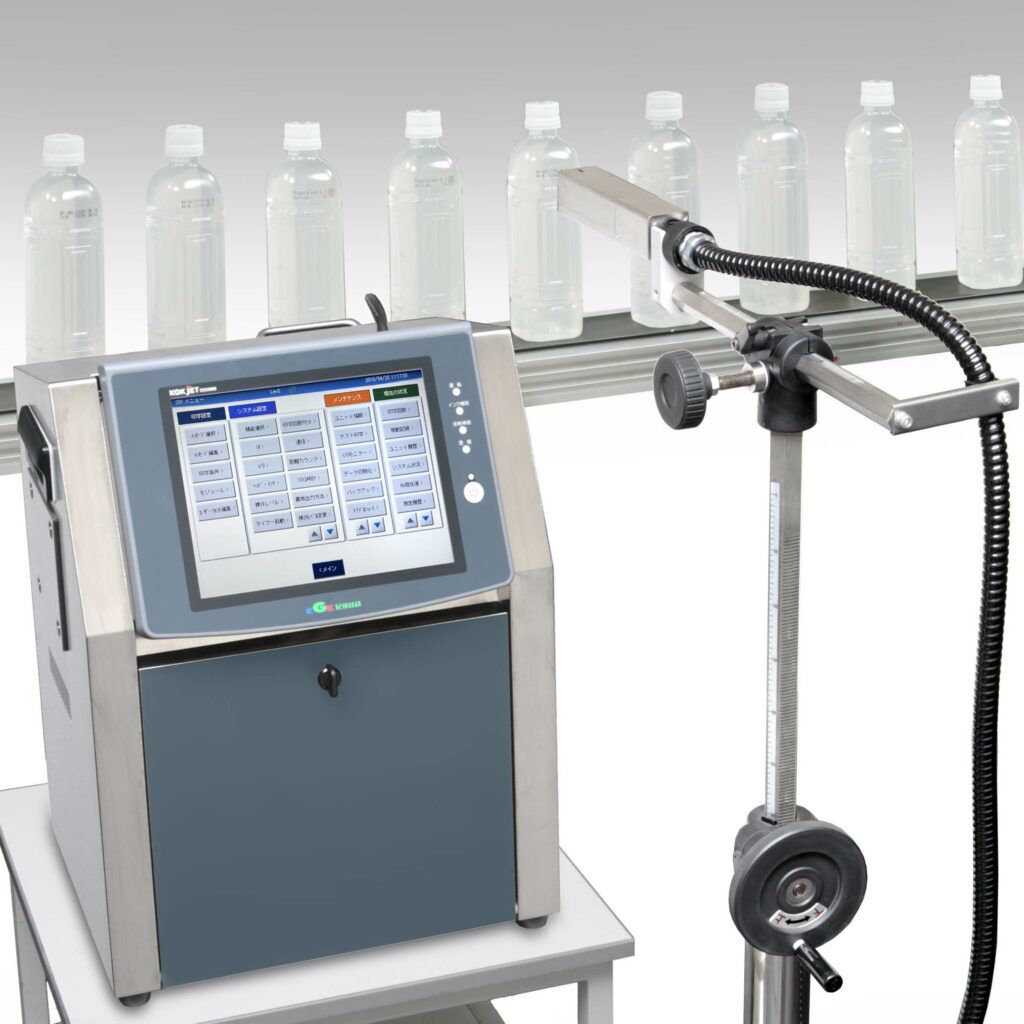
In the FMCG industry, accurate and efficient printing is essential for regulatory compliance and clear product identification. From expiration dates to batch numbers and barcodes, printers play a crucial role in ensuring that essential information is clearly marked on product packaging. High-quality, reliable printing systems help maintain a smooth production process and ensure consumer safety, while also preventing costly mistakes such as product recalls. Packserv offers a range of KGK printers designed specifically for FMCG packaging needs. These advanced printers provide fast, high-resolution printing on various packaging materials including plastic, glass and cardboard. Whether printing on bottles, jars, pouches or cartons, the KGK printer range ensures precision and clarity, even at high speeds.

The innovative inkjet technology featured in Packserv’s range of KGK printers allows for non-contact printing, reducing the risk of smudges or errors. They are ideal for printing barcodes, logos, and date and time codes. Key advantages of the KGK printer range is its ease of use, ease of maintenance, and low cost. Typically, when printers are in operation, solvent continuously evaporates as it circulates. However, the KGK printer is the only one on the market that seals its circuit and nozzle during operation. This feature conserves solvent, reduces running costs, and maintains the correct ink viscosity. It also prevents ink in the printhead from drying out, which means the printer can be restarted quickly, even after extended shutdowns. 

Labelling is important for FMCG products, because it is necessary for regulatory compliance, product and brand identification, consumer safety, and it serves as a key communication tool between brands and consumers. In a highly competitive market, clear and accurate labelling helps differentiate products and builds trust with customers, and failure to label products properly can lead to fines, product recalls, or damage to a brand’s reputation.

Food packages are labelled clearly by labelling machines, providing essential product information such as expiration dates and nutritional facts. These machines are highly versatile and can handle different packaging shapes and sizes.

Automatic labelling machines are perfect for large-scale production runs, delivering high-speed, accurate label application with minimal operator input. This makes them ideal for FMCG manufacturers looking to maximise efficiency while maintaining accuracy and reducing production delays. For smaller businesses or shorter production runs, semi-automatic labelling machines provide a cost-effective solution. These user-friendly machines still offer the high precision and consistency needed in the FMCG sector while requiring some operator involvement, making them ideal for emerging businesses or niche product lines.

Key Considerations in Choosing the Right Food Packaging Machinery

1. Determine Your Product Type

Different products require specific types of packaging machines. For instance, a sauce packaging machine is ideal for liquid products, while a continuous band sealer machine for is better suited for dry goods.

2. Automation Level

Food packaging machines come in semi-automatic and fully automatic models. Fully automatic machines are ideal for larger production runs, while semi-automatic machines suit smaller operations.

3. Material Compatibility

Ensure that the packaging machine you choose is compatible with the packaging material you plan to use, whether plastic, glass, or pouches.

4. Production Speed

The machine’s output speed should align with your production needs. High-speed machines are ideal for large-scale operations, whereas smaller machines are better for small batches.

5. Budget Considerations
Consider the initial investment and long-term operating costs when selecting a food packaging machine. Automated machines may have a higher upfront cost but often result in lower labour costs and increased efficiency.

Selecting the right food packaging machine is vital for the success of your food production line. Whether you are using a semi-automatic approach to package soups, sauces or dips, or you require an automated solution for large-scale operations, understanding your production needs and machine capabilities is key. Investing in the right equipment ensures you package your products efficiently, safely, and with high-quality standards.


Search