



Stock Preparation For paper Machine
Product Specification
Stock preparation is the critical, preliminary stage in papermaking that transforms raw pulp fibers (virgin or recycled) into a uniform, treated suspension called "stock" or "furnish" suitable for the paper machine. This process involves pulping, cleaning, screening, refining, and chemical blending to achieve specific paper properties like strength, brightness, and surface smoothness.
This video provides a detailed overview of the entire stock preparation process:
- Key Steps in Stock Preparation
- Pulping (Slushing): Dry pulp or recycled paper is mixed with water in a pulper to disintegrate it into individual fibers, creating a fibrous suspension.
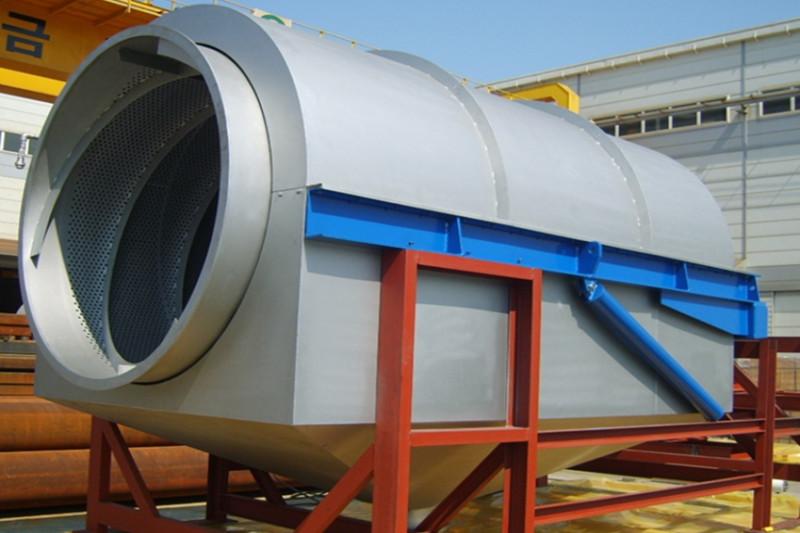
- Cleaning & Screening: The pulp passes through centrifugal cleaners and screen baskets to remove contaminants like plastic, sand, metal, and sticky materials.
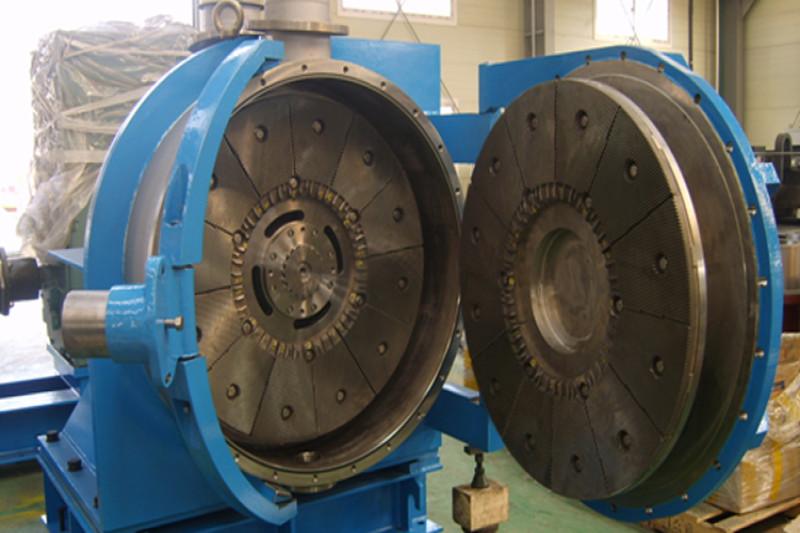
- Refining (Beating): Fibers are passed through mechanical refiners (discs or cones) to fibrillate and hydrate them, improving fiber bonding and increasing paper strength.
- Chemical Additives Blending: Various additives are mixed into the stock to impart special properties, including:
- Sizing Agents: (Rosin, AKD) To reduce water absorption.
- Fillers: (Calcium carbonate, Talc) To improve opacity and brightness.
- Dyes & Optical Brighteners: For color and whiteness.
- Retention Aids & Starches: To improve strength and retain fines.
- Blending & Storage: Different types of pulp (if used) are blended, and the final furnish is stored in machine chests before being delivered to the paper machine.
Key Factors and Equipment- Consistency: Stock preparation often operates at different consistencies, with refining commonly occurring at 3–5% (low) or up to 30–40% (high) consistency.
- Refiners: Disc refiners are commonly used due to their power efficiency and ability to produce high-strength pulp.
- Quality Control: Inline, real-time measurements of fiber properties ensure the final stock is suitable for the paper machine's speed and paper grade requirements.


